Understand
We review each pupil's strengths, needs and EHCP outcomes.

A whole-school therapeutic approach
At Orange Tree School, therapeutic support is embedded throughout the school day. Our therapists, teaching staff and pastoral team work together so that pupils can feel safe, communicate confidently, regulate their emotions and access learning.
All pupils benefit from our therapeutic environment and universal provision. Targeted and specialist interventions are provided according to assessed need and are planned around each pupil's strengths, needs and Education, Health and Care Plan outcomes.
A clear, collaborative process
We review each pupil's strengths, needs and EHCP outcomes.
Staff agree practical strategies and appropriate targeted support.
Therapy is delivered alongside classroom and pastoral provision.
Progress is monitored and support is adapted collaboratively.
Specialist provision
Provision may include individual work, small groups, classroom support and staff-led strategies, depending on assessment and identified need.
Supporting functional communication, language processing, social understanding, speech and self-advocacy.
Supporting sensory processing, motor coordination, emotional regulation, attention and independence.
Providing a safe, confidential space for pupils to explore emotions, anxiety, trauma and relationship challenges.
Therapeutic and pastoral support
Structured interventions develop emotional literacy, self-esteem, social skills and anxiety management, helping pupils engage more consistently in learning.
Regular, relationship-based check-ins support goal-setting, reflection, self-regulation, positive relationships and a stronger sense of belonging.
Learning beyond the classroom
Structured activities give pupils meaningful opportunities to practise confidence, regulation, independence and positive social interaction.
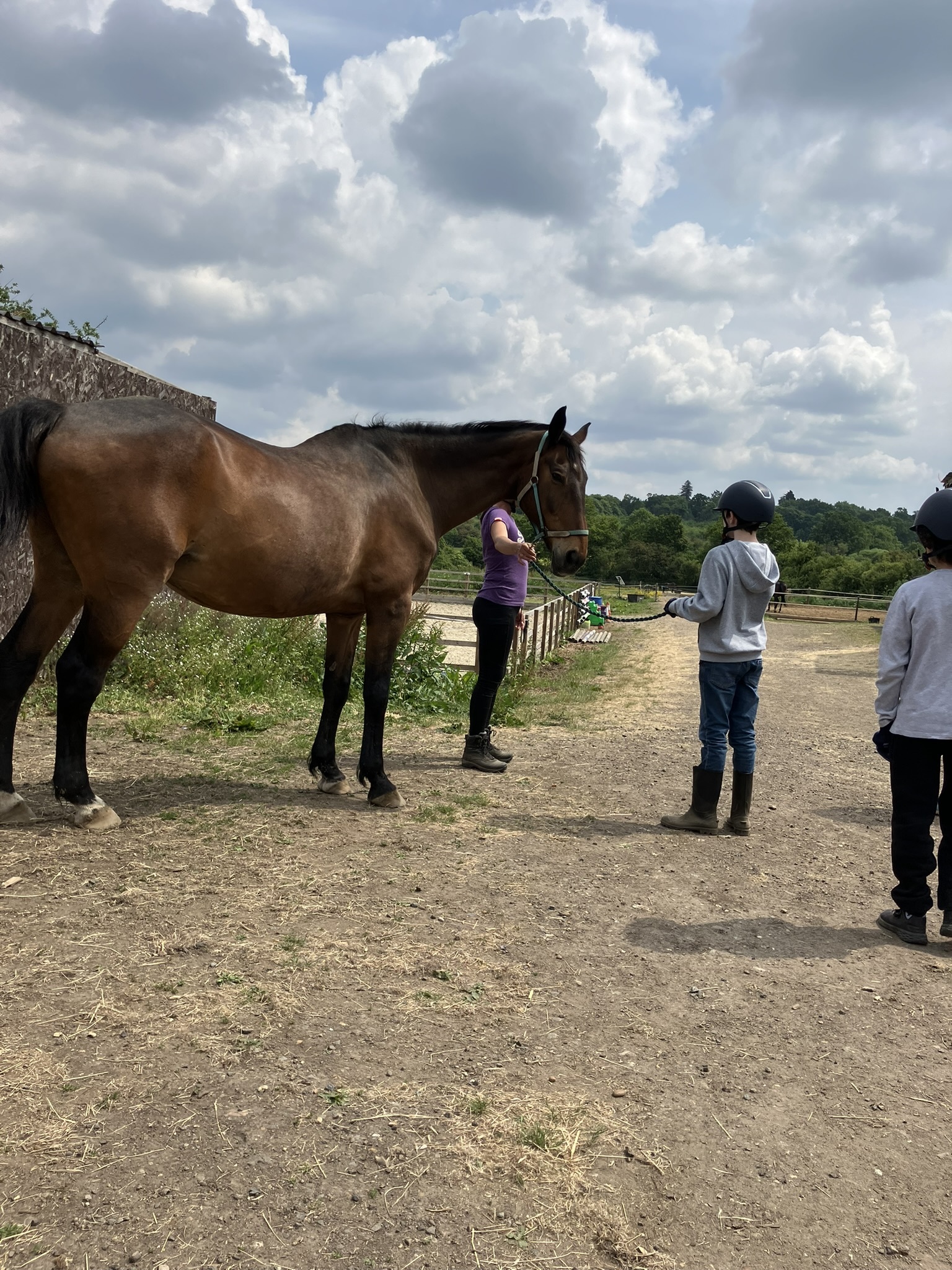
Trust and communication
Structured interaction with horses supports emotional regulation, confidence and relationship-building. Pupils can develop trust, empathy, self-control and non-verbal communication in a calm environment.
Developing: confidence, empathy, regulation and communication.
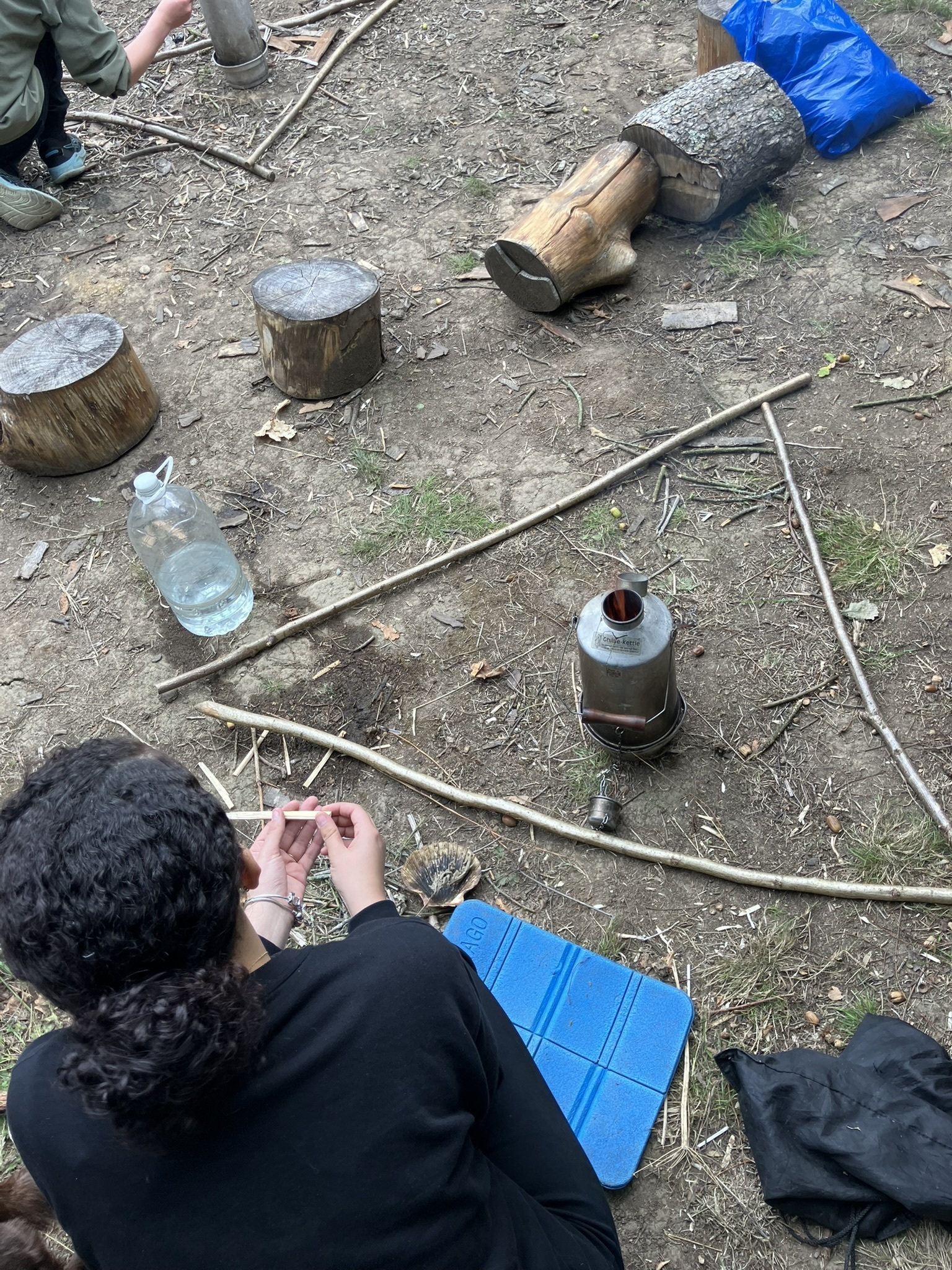
Nature-based learning
Outdoor therapeutic learning encourages teamwork, problem-solving, resilience and independence. Nature-based activities offer a practical setting for cooperation and emotional regulation.
Developing: teamwork, wellbeing, problem-solving and independence.
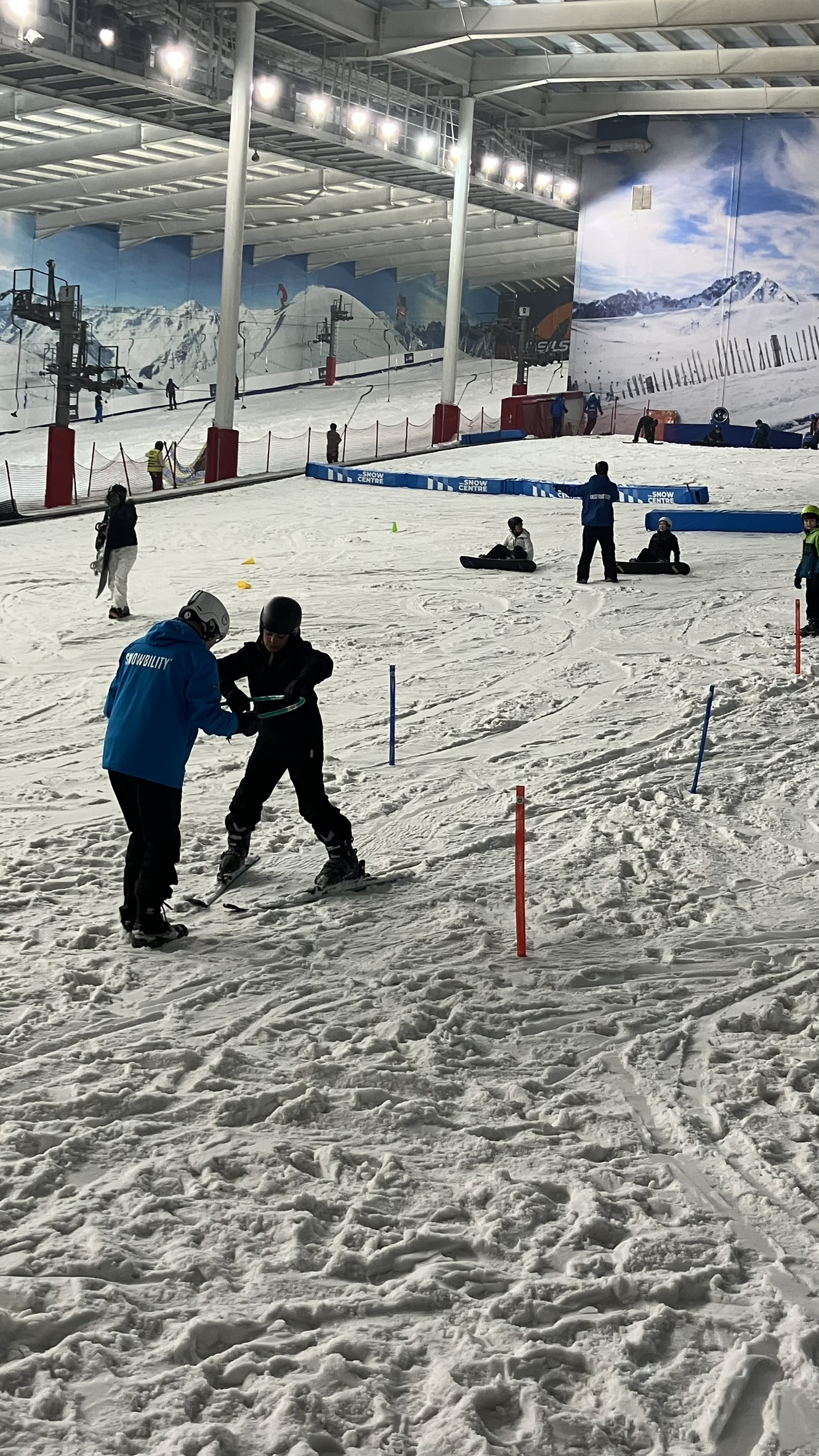
Challenge and achievement
Adaptive skiing at The Snow Centre supports coordination, balance, perseverance and self-confidence. Meeting a new physical challenge can strengthen resilience, self-belief and engagement.
Developing: coordination, perseverance, resilience and confidence.
Purposeful provision
Start a conversation
Our team can explain how therapeutic education is integrated into school life and discuss the admissions process with you.