Our rich curriculum underpins academic learning at OTS. Each of the subjects on offer follow exciting schemes of work that encourage a depth of understanding, creativity, and collaboration. Our specialist subject teachers and excellent support staff ensure that learning is delivered in an inclusive and accessible way that accounts for individual learning differences. Finally, cross curricular learning allows students to connect different subjects and topic together fostering a deeper appreciation of the world around them.
The curriculum at a glance
Key Stage 3 - Years 7, 8, and 9
Learning at Orange Tree School
A curriculum for progress, confidence and independence
Our curriculum combines academic learning, creativity, practical skills and personal development. Teaching is adapted to individual needs so students can build knowledge, re-engage with learning and prepare for their next steps.
Academic learningKnowledge, enquiry and qualifications
Personal developmentCommunication, wellbeing and independence
Individual progressionSupport and pathways that respond to students’ needs
Our approach to learning
Subject curricula are sequenced to build on prior learning, revisit important ideas and develop confidence over time. Teachers adapt activities, resources and pace, supporting gaps in knowledge while providing opportunities for discussion, collaboration and independent work.
Assessment, feedback and practical application help students recognise progress and identify their next steps. Literacy, numeracy and communication are developed across subjects, alongside links to everyday life, further education and employment.
Key Stage 3: Years 7, 8 and 9
KS3 provides foundations in English, Maths and Science alongside Humanities, Art, Spanish, Food Technology, PSHE and RSE, Social Learning and ICT. History, Geography and Religious Studies are taught through the combined Humanities carousel. The Physical Activity programme includes Year 9.
Students develop subject knowledge, practical skills and the confidence to ask questions, solve problems and express ideas. English, Maths, Science and Humanities each have four 50-minute lessons weekly at KS3. ICT has one 50-minute lesson weekly, and Spanish is taught once a week.
The Science topic sequence introduces GCSE content in Year 9 while Year 9 remains within KS3 and retains its four weekly lessons. The subject overviews show the year and term sequences in detail.
Key Stage 4: Years 10 and 11
KS4 builds on these foundations through qualifications and practical learning matched to students’ needs and progression. Current pathways include AQA English Language and Literature, Pearson Edexcel International GCSE Mathematics A, AQA Combined Science, GCSE Humanities subjects, Art and Spanish, and BTEC Home Cooking Skills.
English has four 50-minute lessons weekly. Maths has four in Year 10 and five in Year 11. Science has five lessons weekly, Humanities has three 50-minute lessons, and Spanish has three sessions weekly.
PSHE and RSE and Social Learning support wellbeing, relationships, increasing independence and preparation for adulthood. The Physical Activity programme includes Year 10. ICT is not currently taught at KS4. Individual subject pages explain their qualification pathways and assessment.
Key Stage 5 and progression
The current subject overviews describe further study in Art and Humanities, possible A-Level language study, and Maths retake and Number and Measure pathways. These pathways support progression into further education, employment or training; individual subject pages provide the available detail.
Social Learning continues through Years 12 and 13, with personal development targets covering health and relationships, community and inclusion, education and training, and independent living. Across the curriculum, students develop research, communication, analytical and practical skills that support their next steps.
Our subjects
Explore all eleven current categories. Each page explains the subject’s approach, key stages, teaching sequence and progression.
Reading, writing, speaking and listening develop through fiction, non-fiction, poetry and drama. KS3 builds confidence and literacy; KS4 follows AQA English Language and Literature, with a Language-focused pathway where appropriate to the student.
Number, algebra, geometry and statistics develop reasoning, problem solving and the use of mathematics in everyday life. KS4 follows Pearson Edexcel International GCSE Mathematics A at Foundation or Higher tier, with Number and Measure awards and retake pathways also described in the subject overview.
Four 50-minute lessons weekly at KS3 and in Year 10; five in Year 11.
Biology, Chemistry and Physics develop through a spiral curriculum, practical investigation and scientific enquiry. The curriculum introduces GCSE topics in Year 9; AQA Combined Science leads to two GCSE grades through six examination papers.
Years 7–9: four 50-minute lessons weekly. Years 10–11: five Science lessons weekly.
History, Geography and Religious Studies form one Humanities curriculum. KS3 follows a carousel across the three disciplines; KS4 develops subject knowledge through the current GCSE pathways. Further study includes History, Geography and Philosophy, Ethics and Theology.
Four 50-minute lessons weekly at KS3; three at KS4.
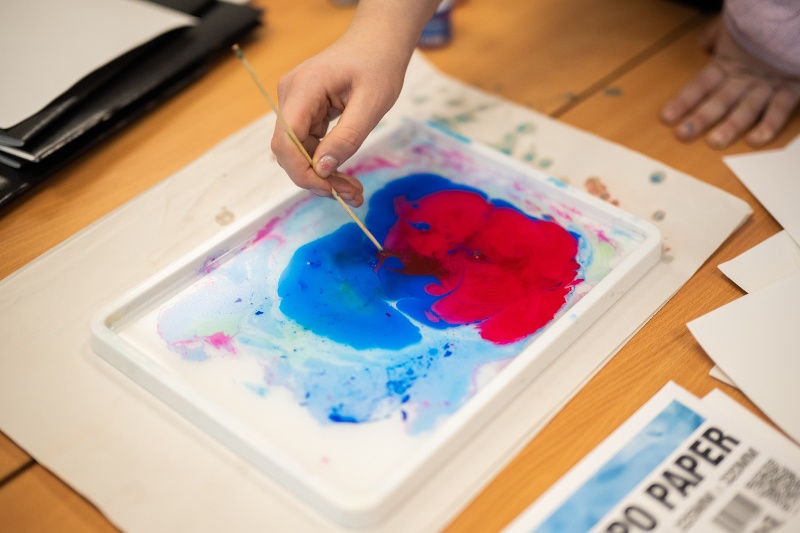
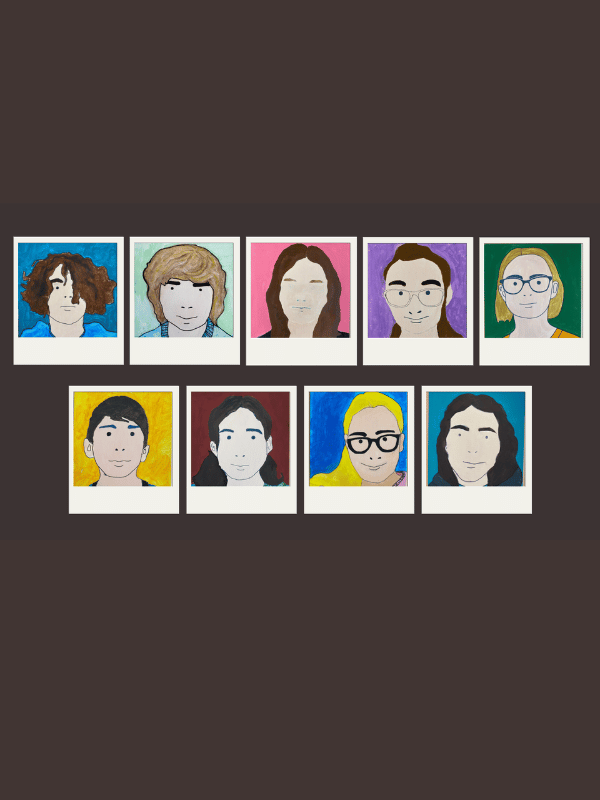
Drawing, colour, materials and the work of artists develop creativity and visual expression. KS3 introduces, extends and consolidates the formal elements; GCSE work develops through a portfolio and independent exam project. KS5 includes a personal investigation and externally set assignment.
Practical exploration, critical reflection and increasingly independent work.
Spanish builds communication and cultural understanding through listening, speaking, reading, writing and translation. Lessons revisit vocabulary and grammar, adapt to individual needs and prepare students for AQA GCSE study. The overview also describes possible A-Level study.
One lesson weekly at KS3; three Spanish sessions weekly at KS4.
The Home Cooking Skills curriculum develops safe food preparation, hygiene, nutrition and confidence in the kitchen. KS3 explores ingredients and cooking techniques. Year 10 follows BTEC Level 1 Home Cooking Skills and Year 11 follows BTEC Level 2.
Practical skills for healthy choices, independence and progression.
Health and wellbeing, relationships and sex education, and living in the wider world help students understand themselves and others. Learning develops healthy relationships, informed choices and increasing responsibility through KS3 and KS4.
Personal development, wellbeing and preparation for adulthood.
Designed, monitored and reviewed by the therapy team and SENCo, Social Learning develops emotional regulation, communication, teamwork and independence. The Year 7–13 programme is tailored to individual needs and EHCP requirements, including preparation for adulthood.
The 2026–2027 KS3 curriculum develops digital citizenship, online safety, email and practical Word, Excel and PowerPoint skills, followed by AI, logical thinking and robotics. Years 7, 8 and 9 share the same sequence to establish core skills.
One 50-minute lesson weekly at KS3. ICT is not currently taught at KS4.
The Years 9 and 10 programme develops coordination, aiming, tactical awareness, teamwork and leadership through inclusive activities. Tasks and equipment are adapted to support participation, confidence and healthy habits.
The subject overviews connect learning with cultural experiences, enrichment, literacy, British values and spiritual, moral, social and cultural development. Examples include reading and library activities, creative projects, practical investigations, cooking and opportunities to explore learning beyond the classroom.
PSHE and RSE and Social Learning give particular attention to wellbeing, relationships, emotional regulation and independence. ICT develops safe and responsible technology use, while Physical Activity promotes participation, teamwork and healthy habits. These areas complement academic learning and help students apply their skills in everyday life.
Years 10 and 11 are the years in which students choose subjects they wish to take for their GCSE examinations at the end of year 11. Students do not have to make these choices alone. Rather, our team of dedicated teachers and support staff ensure that they can make informed as to the right choices for them and that they understand what strategies will need to implemented in order for them to reach their goals. While students must continue to study the core subjects, there is no obligation or pressure for any of our students to take a certain number of subjects above these.
The Key Stage 4 curriculum aims to inspire and challenge students to develop their knowledge so that they can not only perform well in GCSE examinations but also so that they are equipped with crucial critical thinking skills and a spirit of intellectual curiosity. Like KS3, students will get the opportunity to access physical education and enrichment. The curriculum also aims to give students an understanding of the pathways that they may take once they leave OTS in the form of both Higher Education and Careers.